

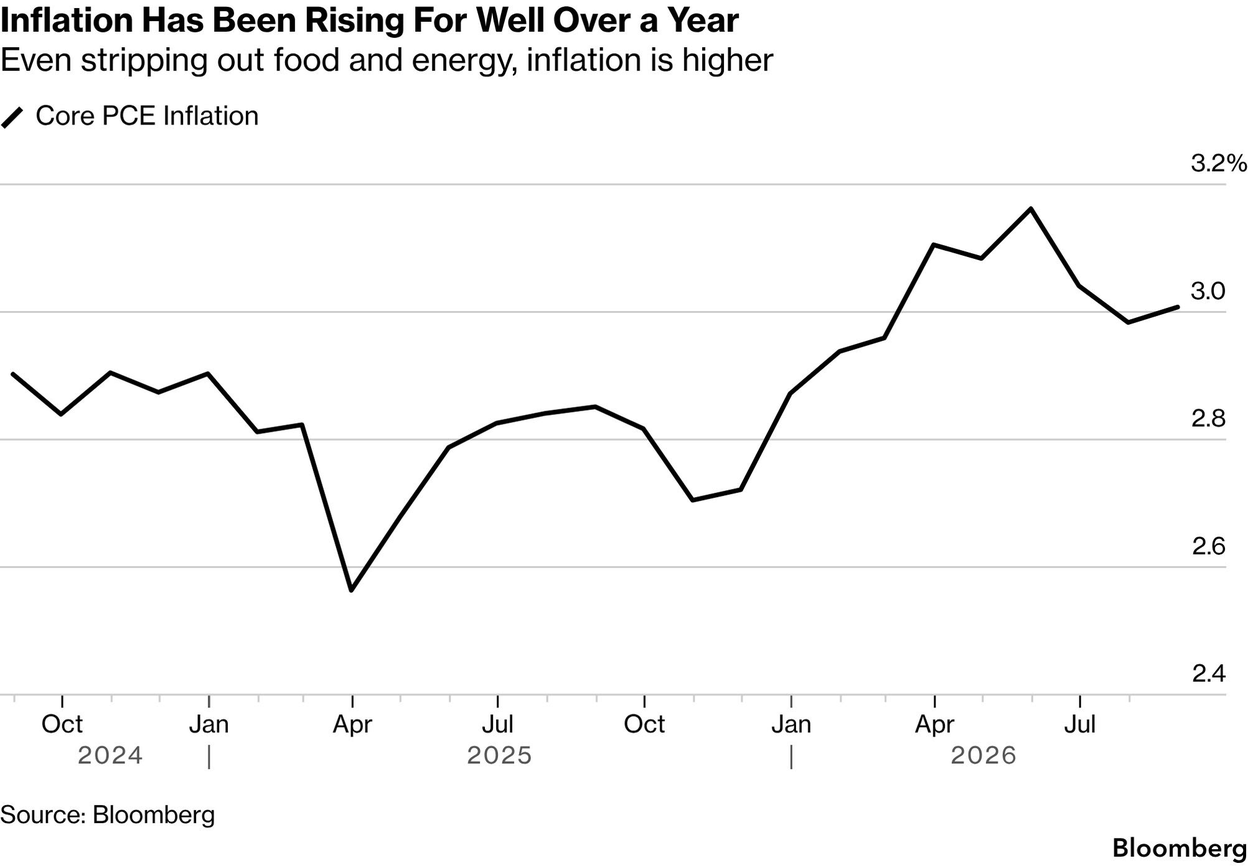
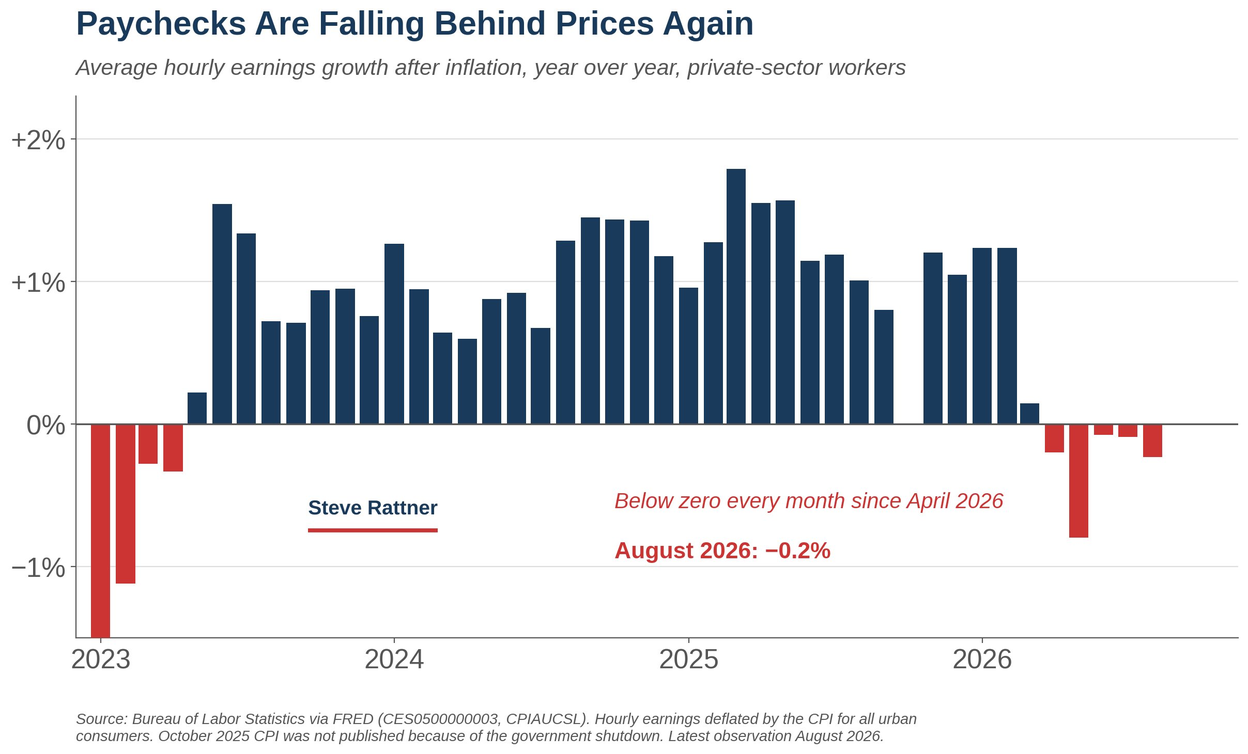
Anthropic is moving forward with its IPO and is expected to go public this month. IPOs, like a lot of things in markets right now, are a bit weird. Not to sound like a broken record, but this market is acting a lot like 2000. Inflation won’t go away, and paychecks aren’t keeping up. Voters head to the polls tomorrow. Prediction markets. From mega-IPO to mega-merger?
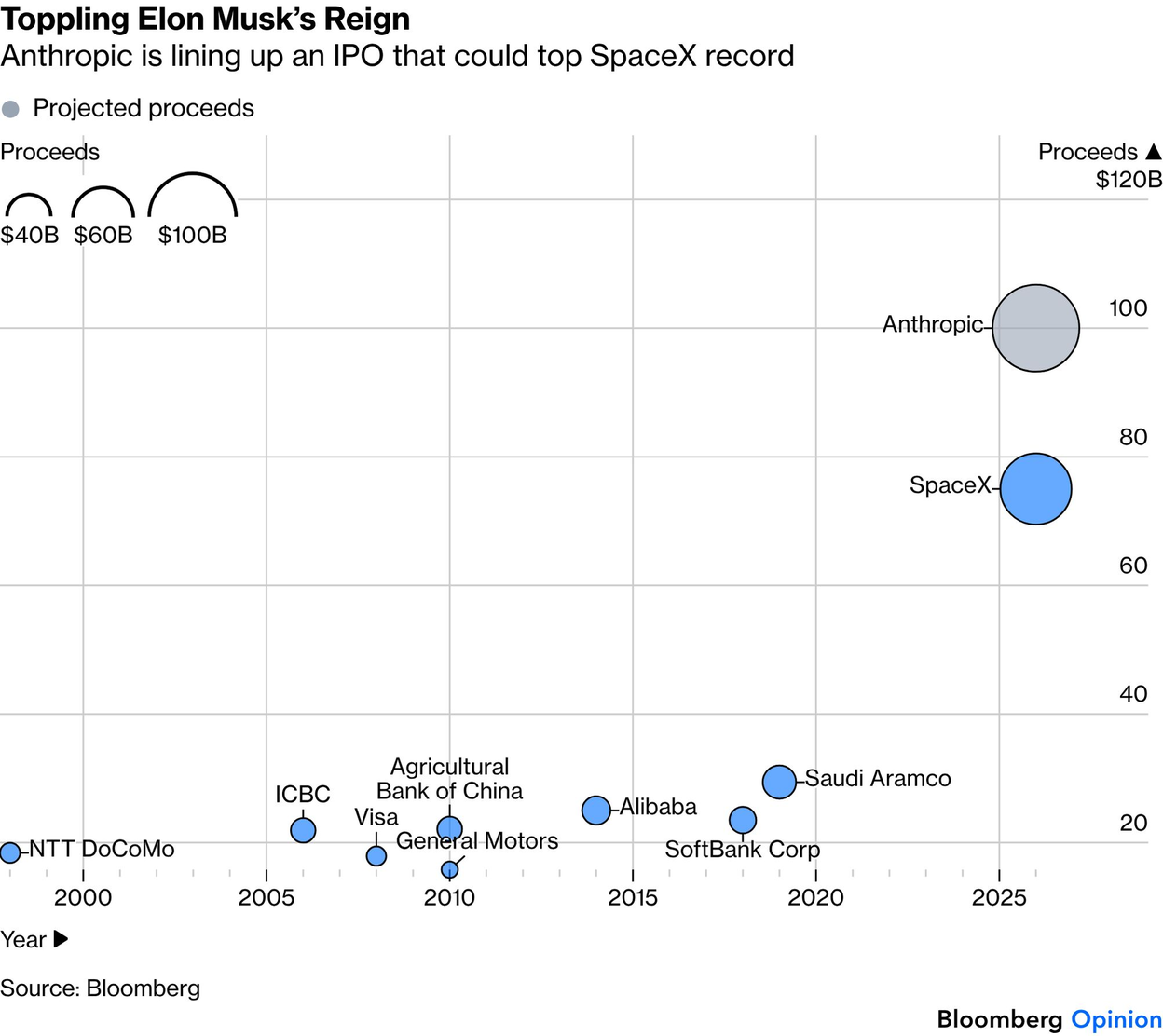
1. SpaceX’s record as the largest IPO in history may not last very long:
 Source: John Authers, Points of Return on 10/27/2026
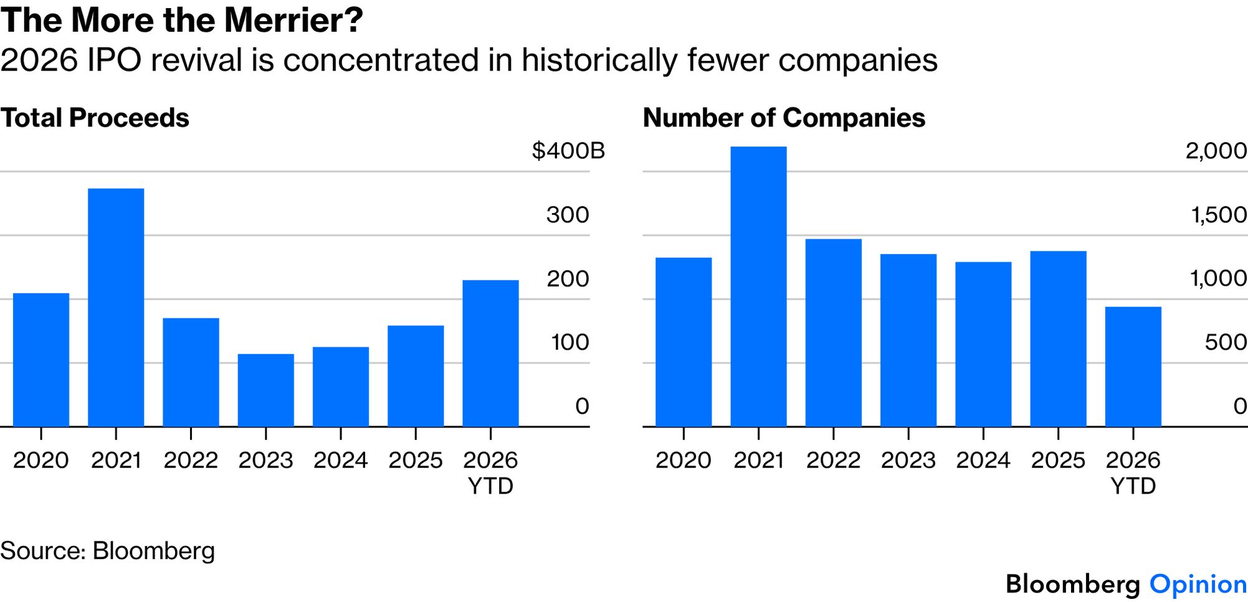
2. IPO proceeds are the highest since 2021, but split among far fewer companies:
 Source: John Authers, Points of Return on 10/7/2026
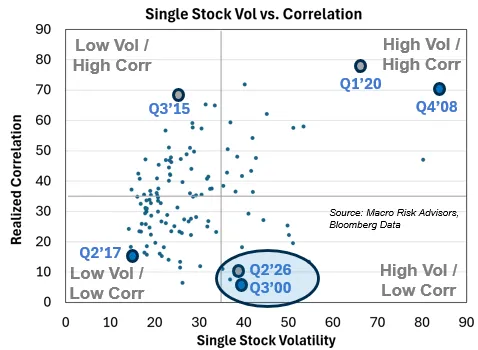
3. A calm index with high single-stock volatility is a rare combination:
 Source: Macro Risk Advisors via Jess Menton, Bloomberg via the Daily Chartbook on 9/30/2026
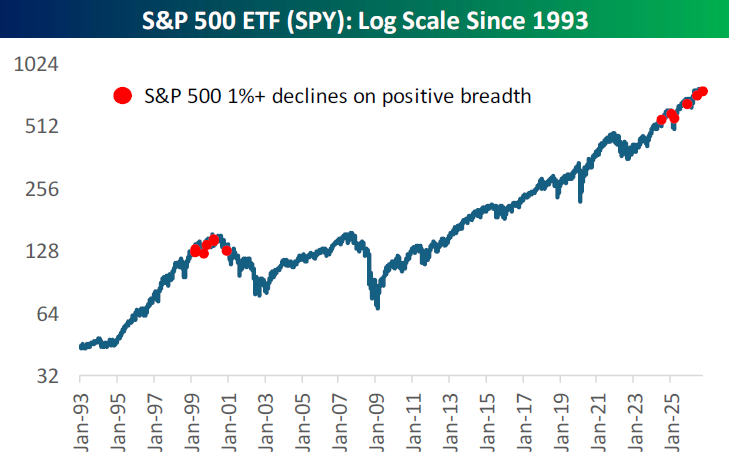
4. The dot-com peak is the only other time it was common for the S&P 500 to fall 1% or more on days when most of its stocks rose:
 Source: @bespokeinvest
5. Core PCE inflation, which leaves out food and energy, is running near 3%:
 Source: Edward Harrison, The Everything Risk on 10/29/2026
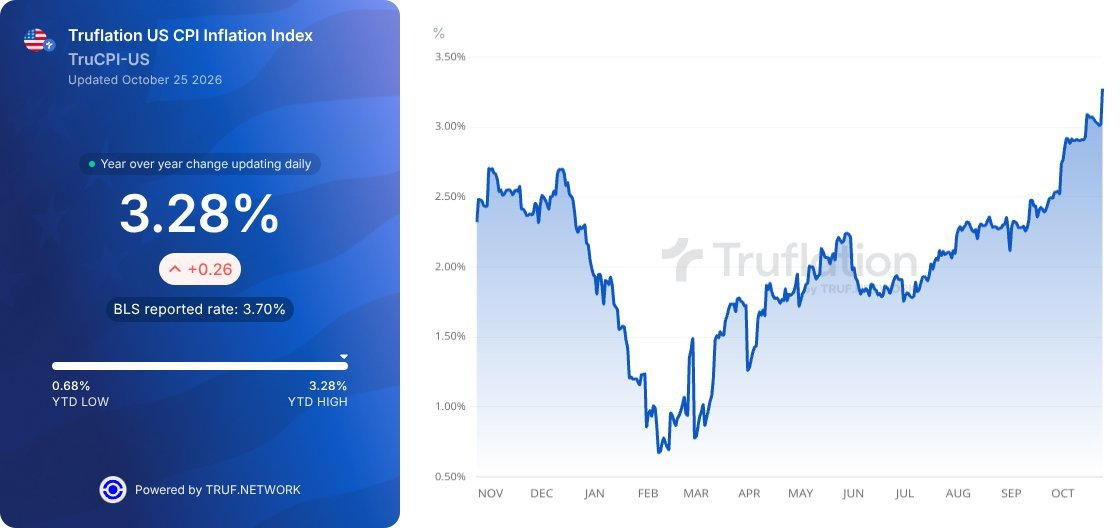
6. You don’t hear much about Truflation anymore:
 Source: @DannyDayan5
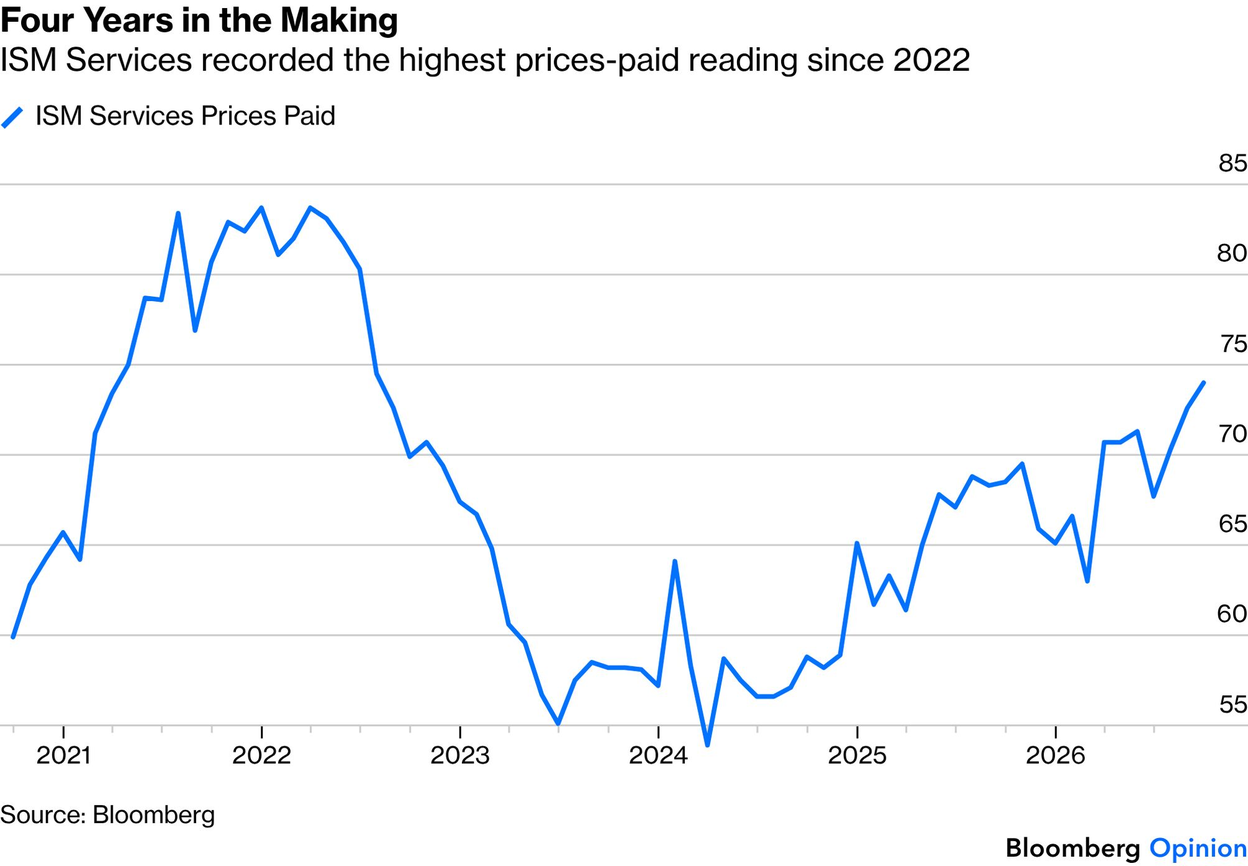
7. Prices paid by services companies are rising at the fastest pace since 2022:
 Source: John Authers, Points of Return on 10/19/2026
8. Real wages have fallen every month since April:
 Source: @SteveRattner
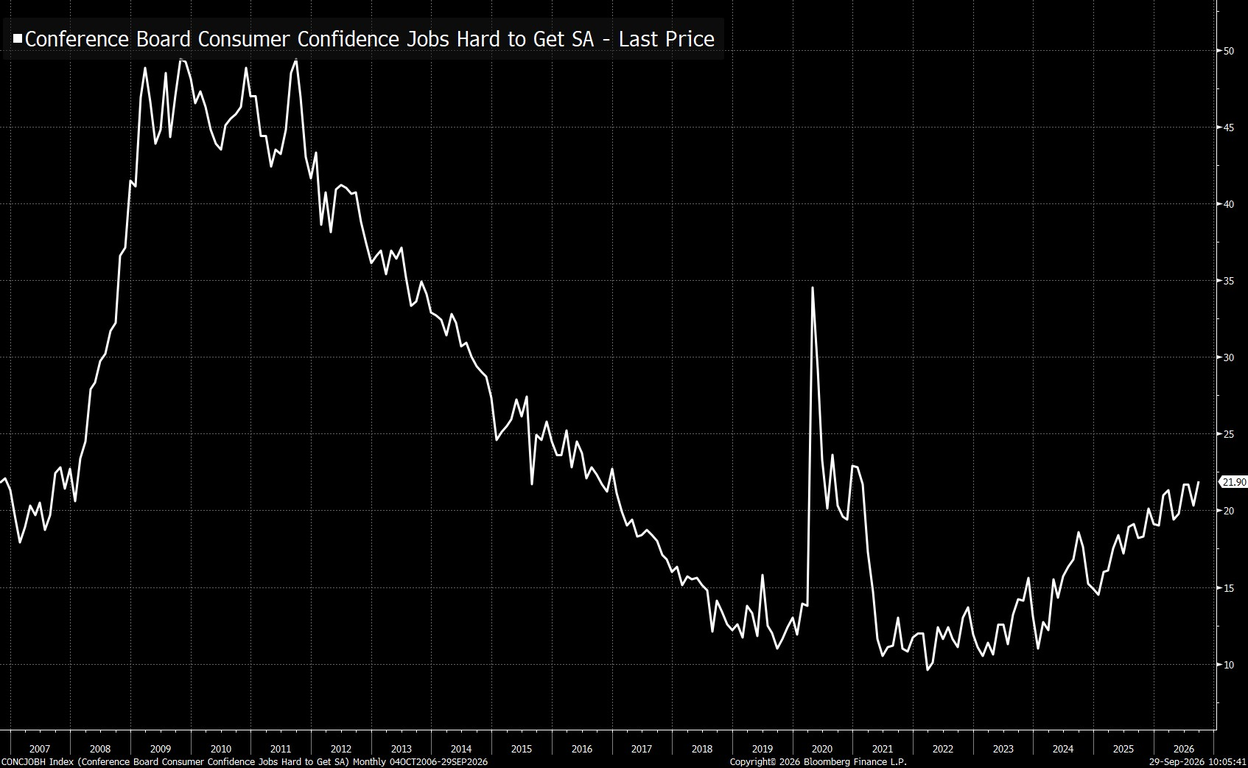
9. Jobs are getting harder to find:
 Source: @TheStalwart
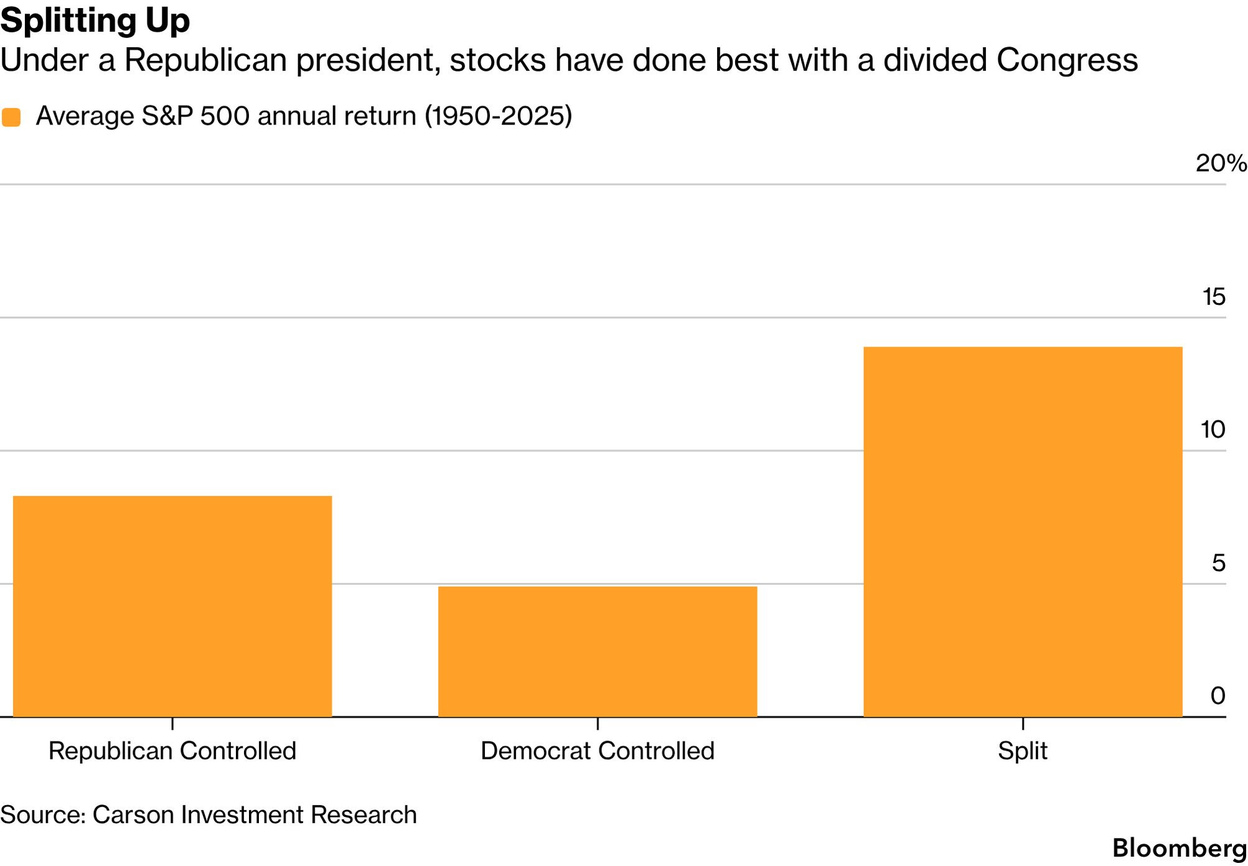
10. Unhappy voters tend to take it out on the party in power, which may not be bad news for stocks:
 Source: Bloomberg Markets Daily
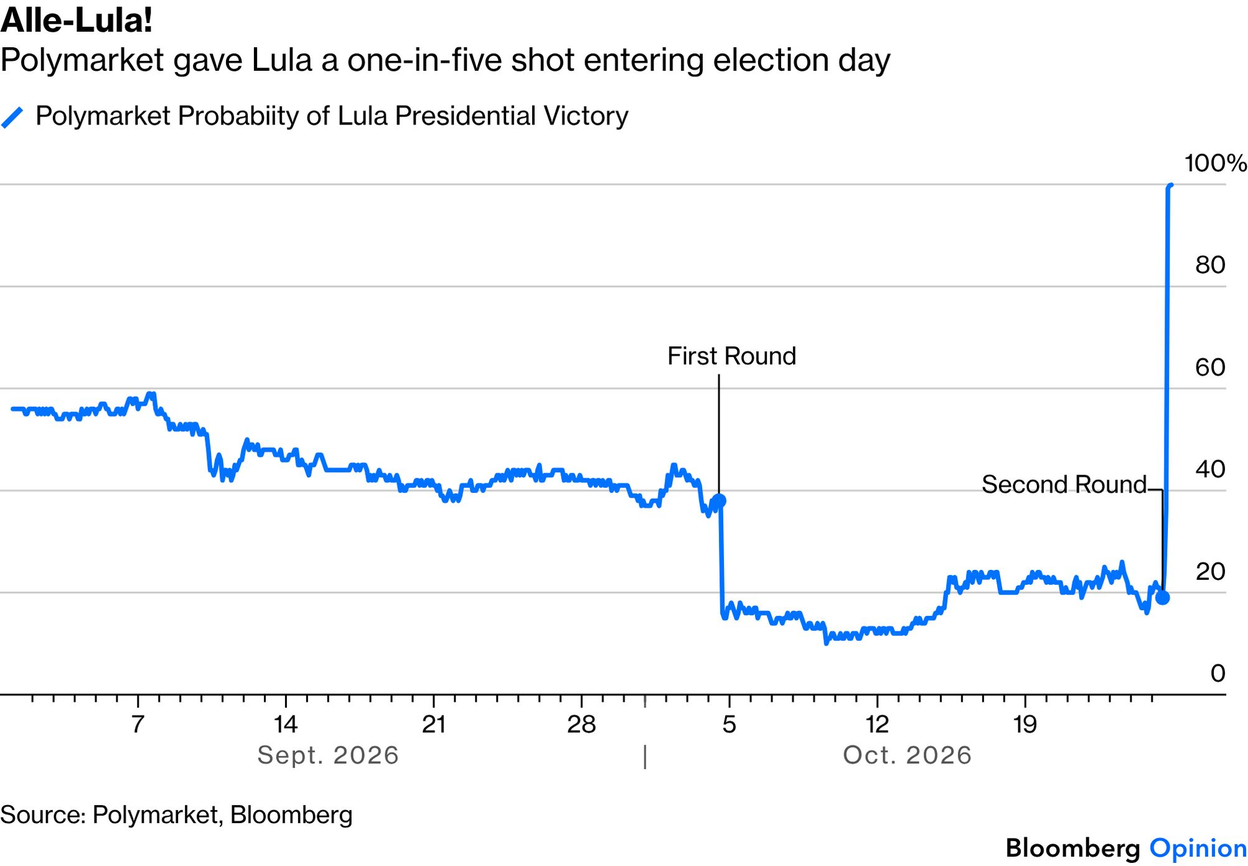
11. Prediction markets reflected how confident investors were about who would win Brazil’s election:
 Source: John Authers, Points of Return on 10/27/2026
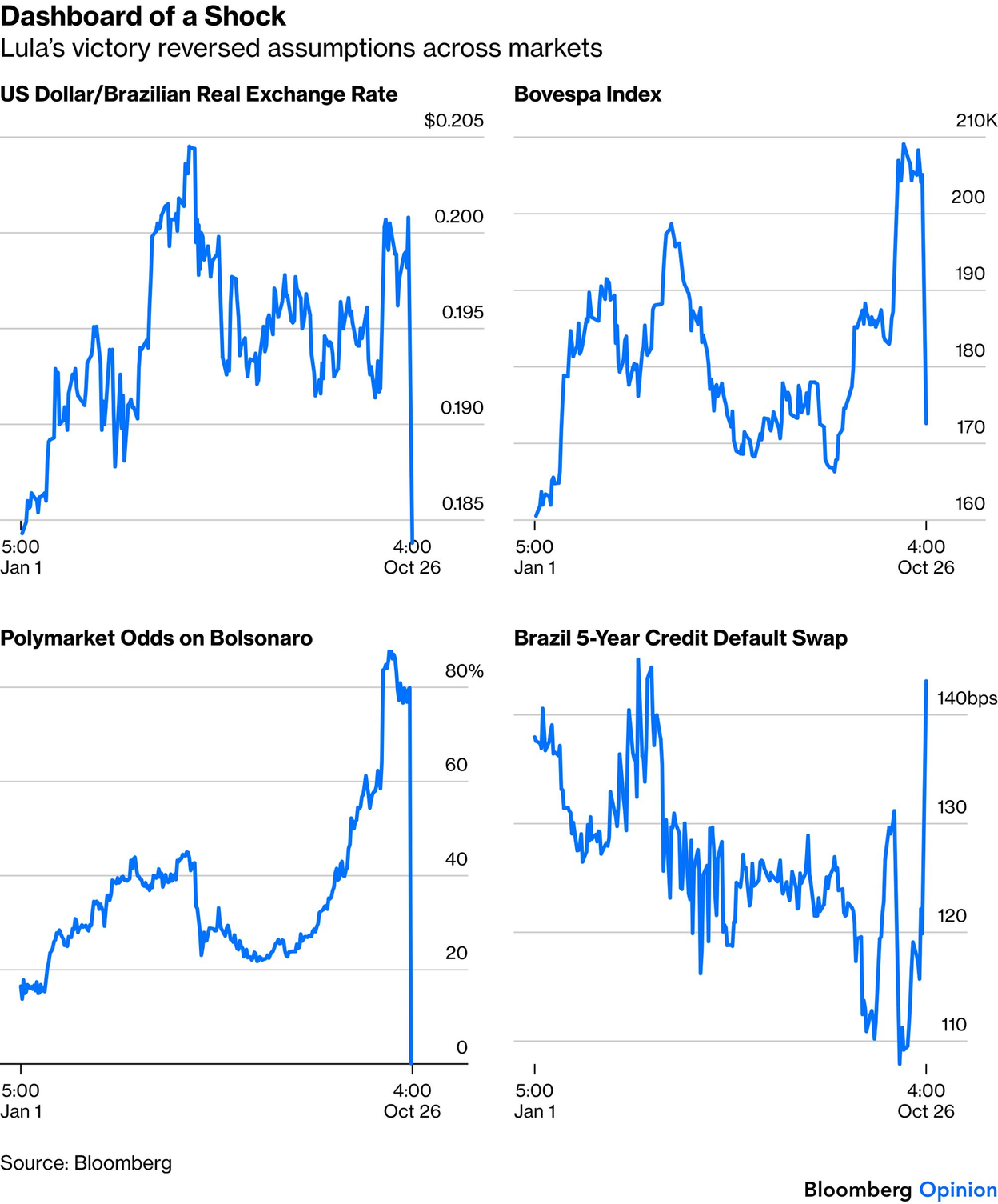
12. The favorite lost, and Brazil’s markets paid for it:
 Source: John Authers, Points of Return on 10/27/2026
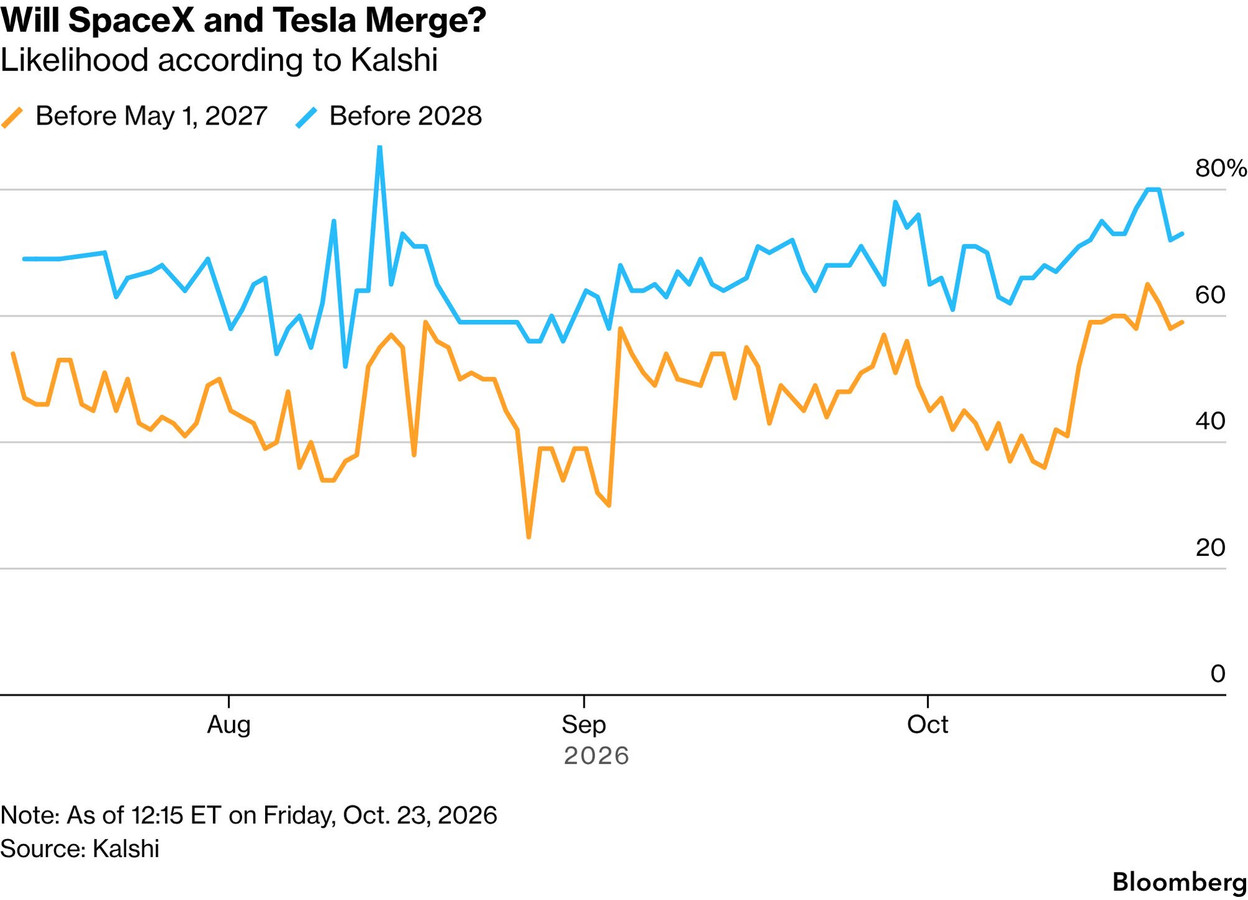
13. One combined company seems like the natural end state for Elon Musk’s business empire:
 Source: Bloomberg Weekend
Disclosures:
Copyright © 2026 Algorithmic Investment Models LLC (AIM). All rights reserved. All materials appearing in this commentary are protected by copyright as a collective work or compilation under U.S. copyright laws and are the property of Algorithmic Investment Models. You may not copy, reproduce, publish, use, create derivative works, transmit, sell or in any way exploit any content, in whole or in part, in this commentary without express permission from Algorithmic Investment Models.
Certain information contained herein constitutes “forward-looking statements,” which can be identified by the use of forward-looking terminology such as “may,” “will,” “should,” “expect,” “anticipate,” “project,” “estimate,” “intend,” “continue,” or “believe,” or the negatives thereof or other variations thereon or comparable terminology. Due to various risks and uncertainties, actual events, results or actual performance may differ materially from those reflected or contemplated in such forward-looking statements. Nothing contained herein may be relied upon as a guarantee, promise, assurance or a representation as to the future.
This material is provided for informational purposes only and does not in any sense constitute a solicitation or offer for the purchase or sale of a specific security or other investment options, nor does it constitute investment advice for any person. The material may contain forward or backward-looking statements regarding intent, beliefs regarding current or past expectations. The views expressed are also subject to change based on market and other conditions. The information presented in this report is based on data obtained from third party sources. Although it is believed to be accurate, no representation or warranty is made as to its accuracy or completeness.
The charts and infographics contained in this blog are typically based on data obtained from third parties and are believed to be accurate. The commentary included is the opinion of the author and subject to change at any time. Any reference to specific securities or investments are for illustrative purposes only and are not intended as investment advice nor are they a recommendation to take any action. Individual securities mentioned may be held in client accounts. Past performance is no guarantee of future results.
As with all investments, there are associated inherent risks including loss of principal. Stock markets, especially foreign markets, are volatile and can decline significantly in response to adverse issuer, political, regulatory, market, or economic developments. Sector and factor investments concentrate in a particular industry or investment attribute, and the investments’ performance could depend heavily on the performance of that industry or attribute and be more volatile than the performance of less concentrated investment options and the market as a whole. Securities of companies with smaller market capitalizations tend to be more volatile and less liquid than larger company stocks. Foreign markets, particularly emerging markets, can be more volatile than U.S. markets due to increased political, regulatory, social or economic uncertainties. Fixed Income investments have exposure to credit, interest rate, market, and inflation risk. Diversification does not ensure a profit or guarantee against a loss.
The S&P 500 Index measures the performance of 500 large-capitalization U.S. companies. The Core Personal Consumption Expenditures (PCE) Price Index measures inflation based on U.S. consumer spending, excluding food and energy, which are considered more volatile. The Truflation US CPI Inflation Index is an independent measure of U.S. consumer price inflation, updated daily from a broad set of real-time price data. The Consumer Price Index, published monthly by the U.S. Bureau of Labor Statistics, measures the average change over time in the prices paid by urban consumers for a basket of goods and services. The ISM Services Prices Paid Index, published monthly by the Institute for Supply Management, measures the share of services-sector purchasing managers reporting higher prices for the goods and services they buy; readings above 50 indicate rising prices. Average Hourly Earnings, published monthly by the U.S. Bureau of Labor Statistics, measures the average hourly pay of employees on private nonfarm payrolls; real average hourly earnings adjust that figure for inflation. The Conference Board Consumer Confidence Index is a monthly survey-based measure of U.S. consumers’ assessment of current business and labor market conditions and their expectations for the next six months; its Present Situation Index reflects views of current conditions and its Expectations Index reflects the six-month outlook. A prediction market is an exchange where participants trade contracts that pay out if a future event occurs. A contract’s price is commonly read as the market’s implied probability of that event. The U.S. dollar/Brazilian real exchange rate is the number of Brazilian reais needed to buy one U.S. dollar. The Bovespa Index (Ibovespa) measures the performance of the most actively traded stocks listed on Brazil’s stock exchange, B3. A credit default swap (CDS) is a contract that compensates the buyer if a borrower defaults. Its spread, the annual cost of that protection, is a market measure of default risk. Inflation is the rate at which the general level of prices for goods and services rises over time, resulting in a decline in purchasing power.
Please contact your AIM Regional Consultant for more information or to address any questions that you may have.
Algorithmic Investment Models LLC (AIM), 125 Newbury St. 4th Floor, Boston, MA 02116 (844-401-7699)